

The modern Olympic Games still need to be inclusive, widely absorbing cultures and civilizations from around the world. The rotating hosting of the Olympics across continents provides an excellent opportunity to continuously absorb the civilizations of different regions and peoples. While the ancient Olympics were primarily a national sacrificial competition with a distinct Greek heritage, the modern Olympics are open to all countries, regions, and peoples, transcending political, religious, racial, ethnic, and linguistic boundaries.
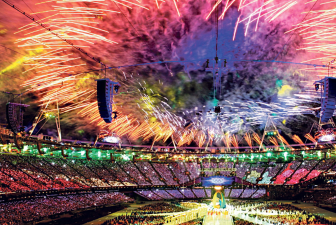
The Multiple Meanings of the Olympic Games
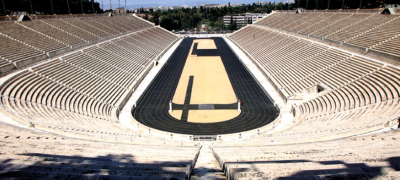
The Olympic Games originated in 1896, with the first modern Games held in Athens, Greece. Its core ideal is "Faster, Higher, Stronger," rather than simply patriotism. From the outset, the Olympics emphasized international cooperation and peace, bringing together athletes from different countries to participate together, rather than compete against each other. This ideal is even more important in contemporary society, especially against the backdrop of increasingly tense international relations.
The Olympic Games hold significant importance for modern society in many ways:
Promoting International Exchange and Understanding:
The Olympics bring together athletes and spectators from around the world, providing a platform for exchange that transcends national borders, races, cultures, and religions. This enhances mutual understanding and friendship among different countries and peoples, helps eliminate misunderstandings and prejudices, and promotes world peace.
Driving the Development of Sports:
The Olympics inspire people's love and participation in sports, promote the popularization and improvement of sports, drive sports science research and technological innovation, and elevate the level of physical education.
Inspiring Individuals to Pursue Excellence:
The spirit of athletes challenging their limits and surpassing themselves on the field inspires countless people to pursue higher goals in life and cultivates perseverance and a spirit of courage.
Promoting Economic Development:
Hosting the Olympics can stimulate the development of local infrastructure construction, tourism, catering, and other related industries, creating employment opportunities and increasing fiscal revenue.
Enhancing National Image and National Pride:
Successfully hosting the Olympics showcases a country's comprehensive strength and cultural charm, strengthening national pride and cohesion.
Promoting Peace and Unity:
The Olympic Games advocate fair competition and teamwork, values that can influence social atmosphere and promote harmonious social development.
Fostering Cultural Exchange and Integration:
During the Olympic Games, different national and regional cultures interact, exchange ideas, and blend, enriching the diversity of world culture.
Conclusion:
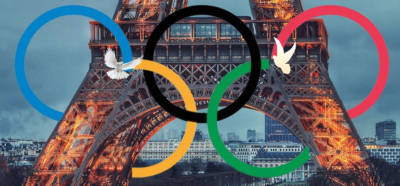
We can say that the popularity of the modern Olympic Games is not only due to its outstanding achievements in the field of sports, but also because it embodies humanity's eternal pursuit of peace, unity, and friendship. In the future, may the Olympic Games continue to play its unique role, serving as a bond connecting people of different countries, cultures, and beliefs, working together to create a better world.